Field Guide · No. 01 · Cosmos bipinnatus
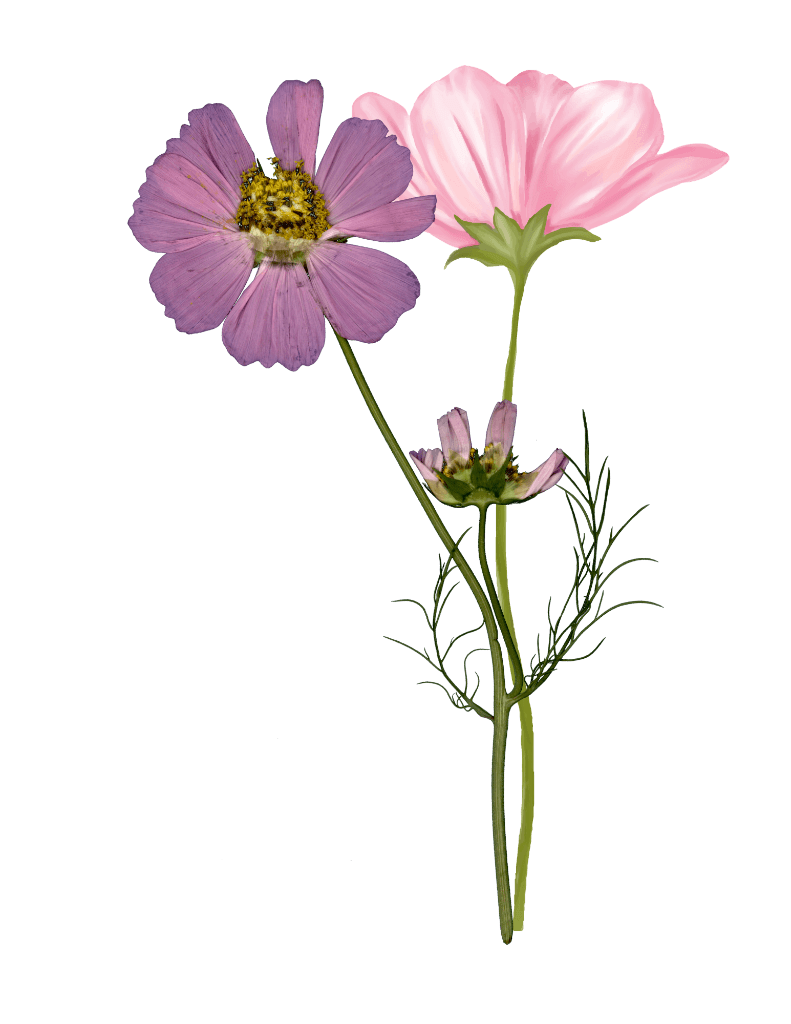
Cosmos
One flower makes dozens of seeds. Each seed can grow a plant taller than you. Here's how to find them, save them and plant them again.
- Sprouts in
- 7–10 days
- Flowers in
- 60–90 days
- Grows up to
- 4–6 feet
- Plant it
- 1/4 inch deep
01 · Best season in San Diego
When to plant and harvest cosmos
We almost never get frost by the coast, so cosmos has a long season here. Tap a month.
January - Rest
Seeds stay in their envelope. It’s our coolest month, so wait a little longer.
- Rest
- Sow
- Grow
- Bloom
- Collect
02 · How to plant
Poke, drop, sprinkle
Cosmos likes it easy. Lots of sun, plain soil, not too much water and no fertiliser. Rich soil makes big leaves and fewer flowers.
- 1
Find the sunniest spot
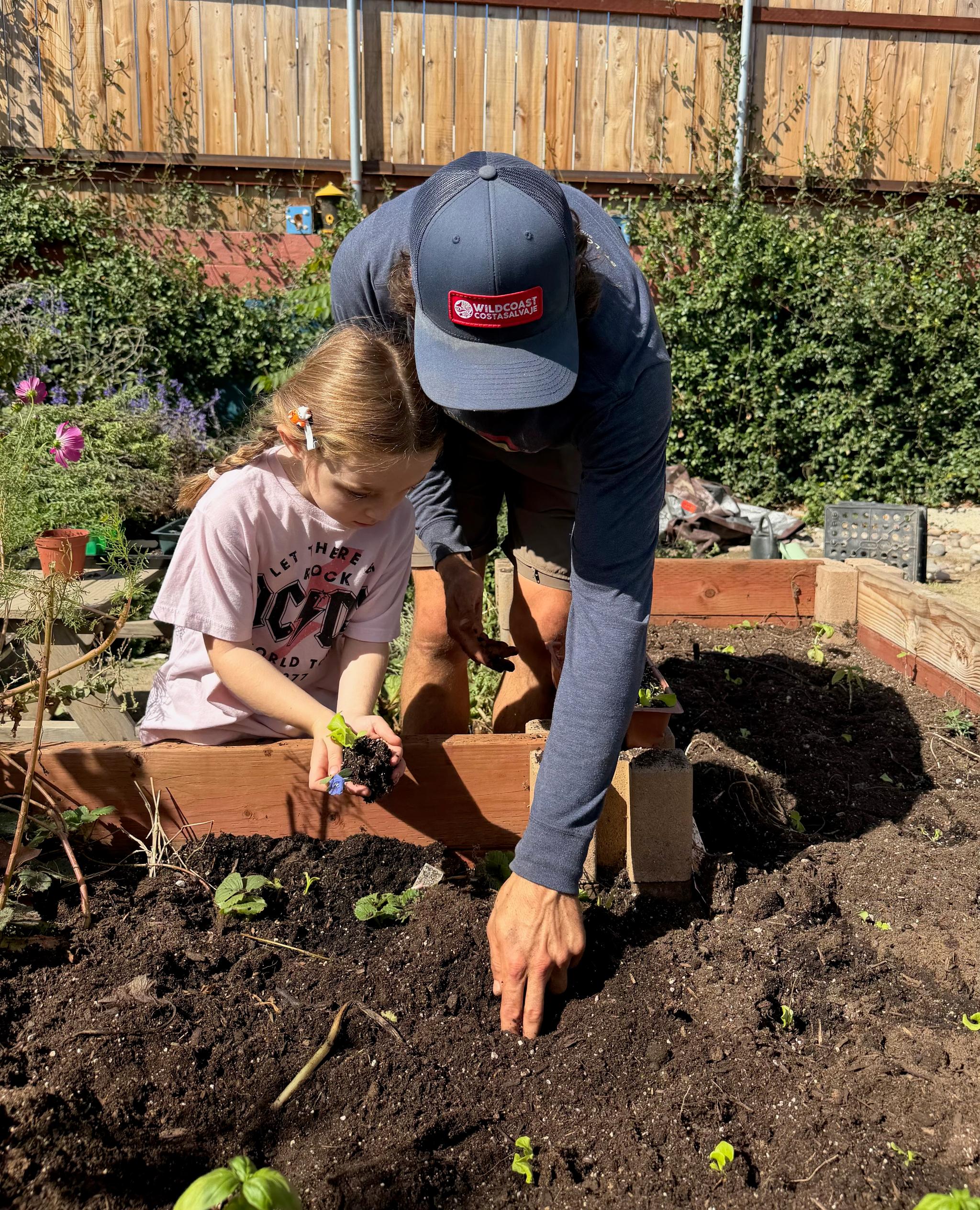
At least 6 hours of sun a day. Loosen the soil with your fingers or a trowel.
- 2
Poke a shallow hole
Just ¼ inch deep, about the length of your fingernail.
- 3
Drop in 2 seeds
Leave a footstep of space (about 12 inches) between each hole. They get big.
- 4
Sprinkle soil & water
A light blanket of soil on top. Keep it damp, not soggy, until the sprouts come up.
- 5
Pick the strongest
If both seeds sprout, keep the bigger one. When it’s knee high, pinch off the very top so it grows bushy.
03 · Days to sprout & bloom
Seed to seed
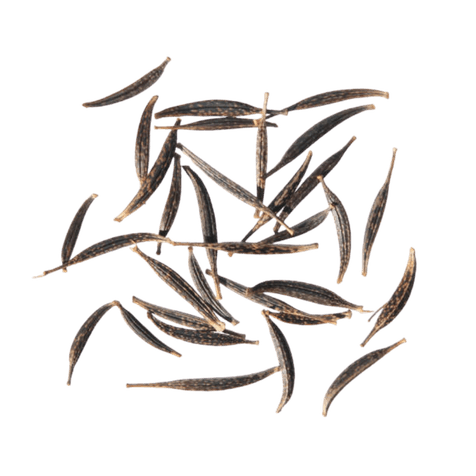
Slide through the days and watch one seed turn into a flower, and then back into seeds.
0
Days · About 0 weeks
A seed in the dirt
Your skinny seed is tucked ¼ inch under the soil. Keep it damp and wait.
04 · Who comes to visit
Flower visitors
Cosmos is open and flat, like a landing pad. Sit still near the flowers for two minutes and count who lands.
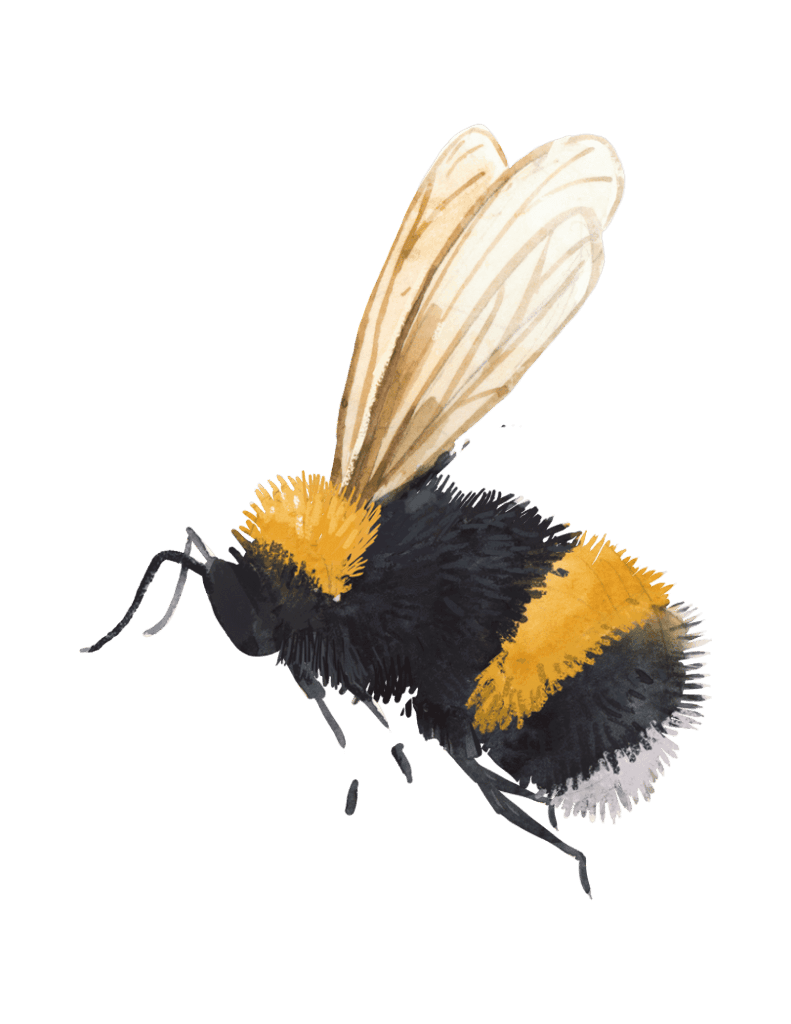
Bees
Honeybees and lots of small native bees come for pollen. They get dusted yellow and carry it to the next flower.
Look for · Yellow legs
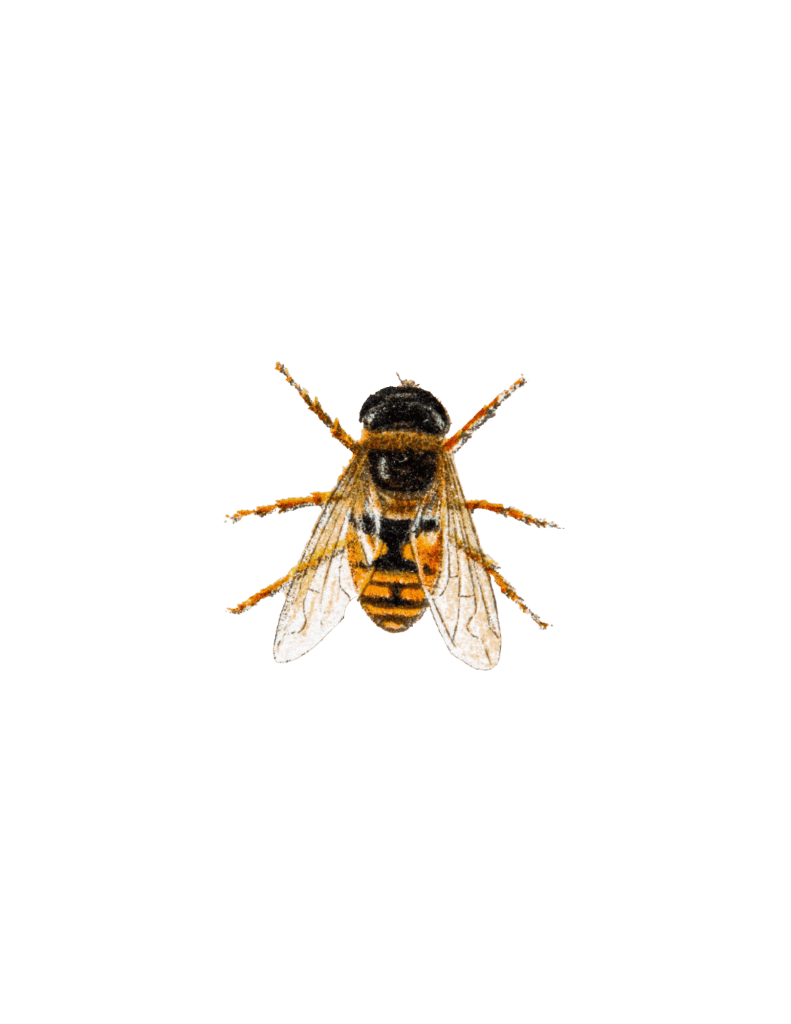
Hoverflies
They look like tiny bees but hang in the air like helicopters. Their babies eat aphids, which helps the whole garden.
Look for · Hovering in place
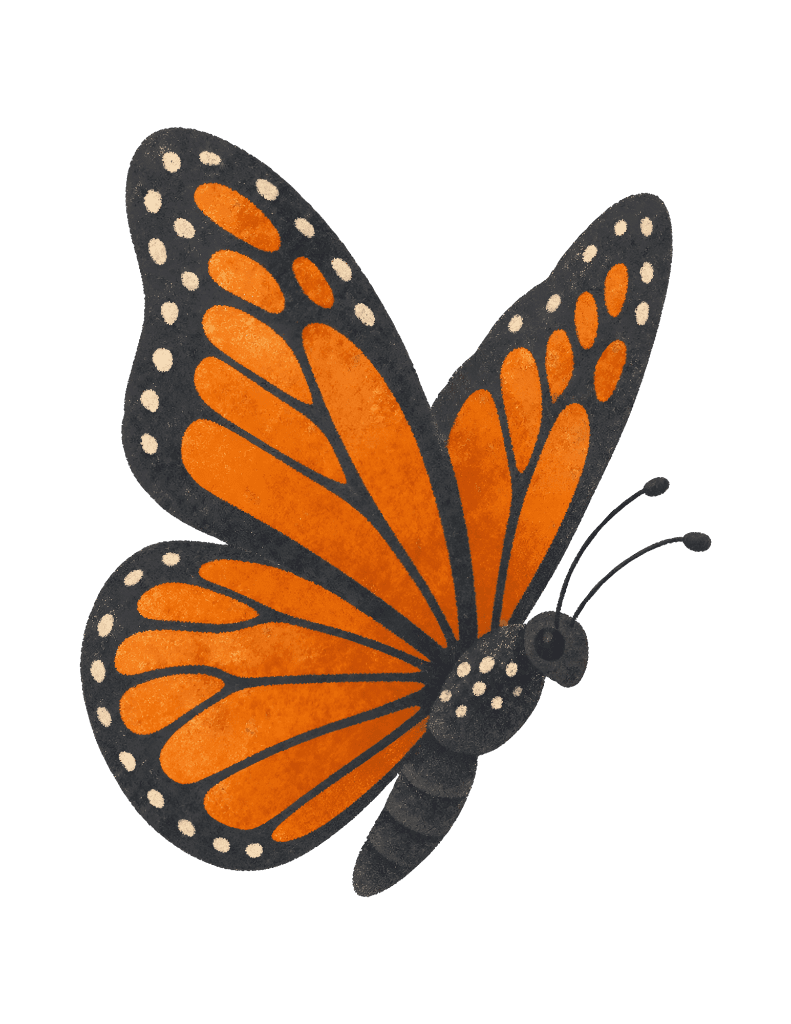
Butterflies
Painted ladies and skippers sip nectar with a long curly tongue.
Look for · Wings opening & closing
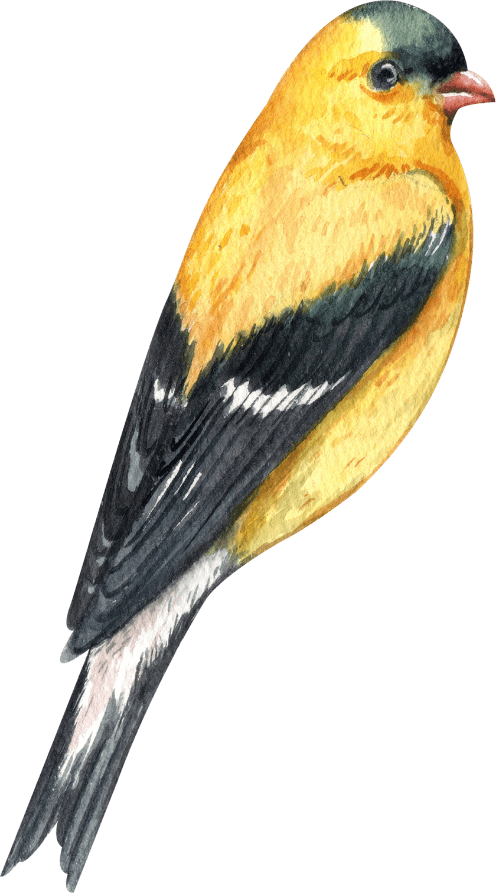
Goldfinches
Little yellow birds who eat the seeds we leave behind. Another reason to save some for them.
Look for · Bright yellow bellies