Looking for current prices and a category-by-category comparison?
We keep an updated side-by-side of Farm Fresh to You and Cardiff Tiny Farm.
View the updated comparison →
Over the years, produce subscription boxes have become increasingly common.
What once felt niche — the idea of receiving a weekly box of vegetables — is now widely understood and embraced by a mainstream audience.
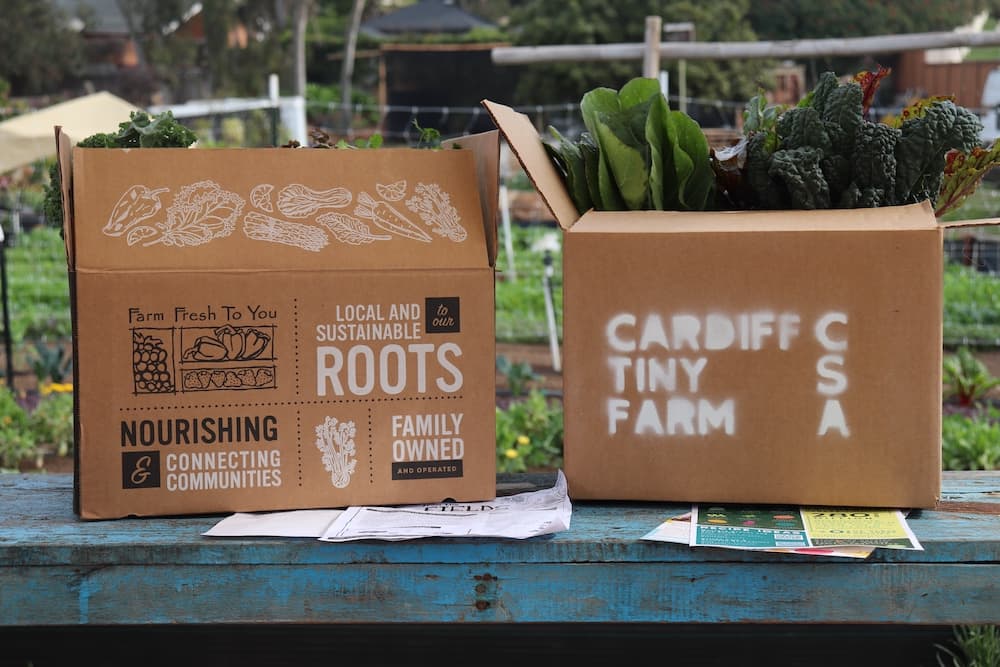
Recently, I decided to make a comparison video between one of the most popular national services, Farm Fresh to You, and our own CSA box at Cardiff Tiny Farm.
You can watch the full comparison here:
What Farm Fresh to You Does Well
I’ll start by saying this clearly: I was impressed.
The produce in the Farm Fresh to You box was certified organic, fresh, and thoughtfully packed. The convenience was also striking — I placed my order just two days before the box arrived at my door. For many households, that kind of reliability and ease matters deeply.
For people who don’t live near local organic farms, Farm Fresh to You can be an excellent option.
When Scale Enters the Picture
That same convenience, however, made me curious about scale.
As I looked more closely at where each item in the box came from, it became clear that while the produce was organic, very little of it could be considered truly local to my region. Items were sourced from across the West Coast, and some even arrived with barcodes attached — a small but telling signal of the systems required to operate at this size.
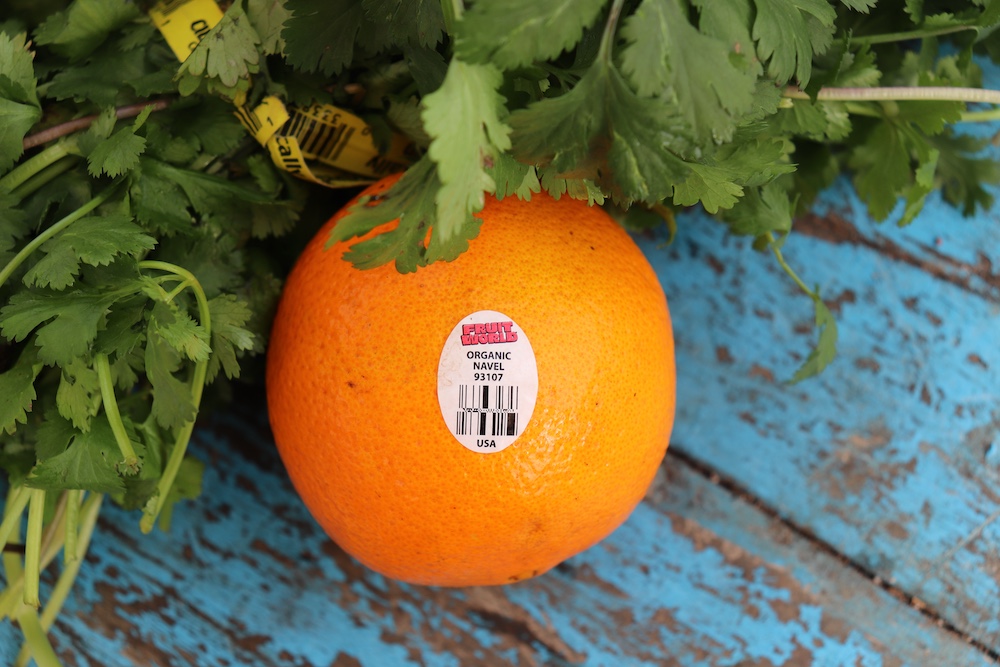
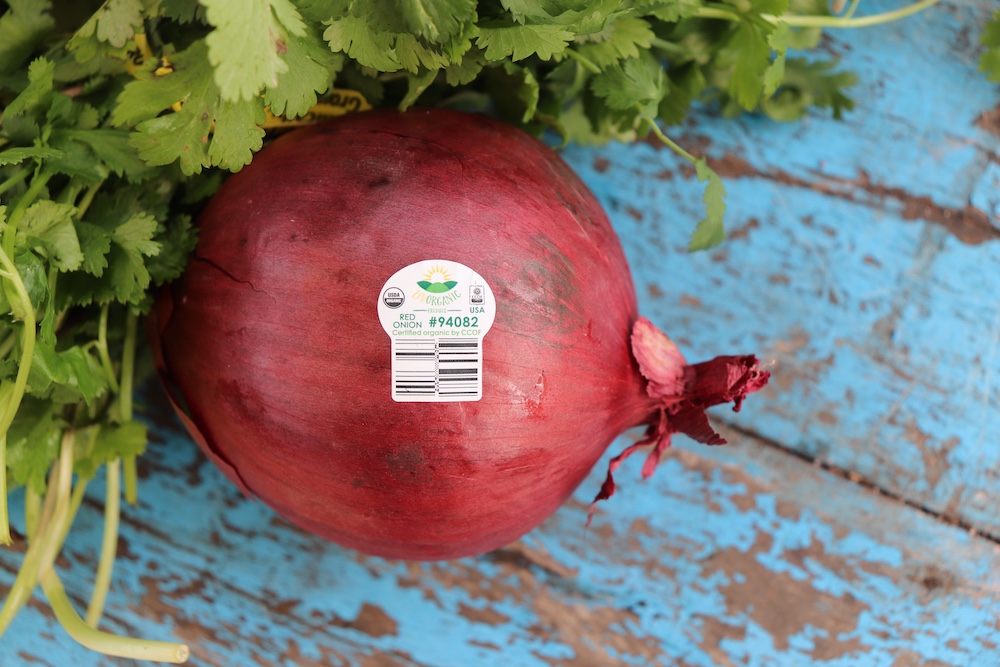
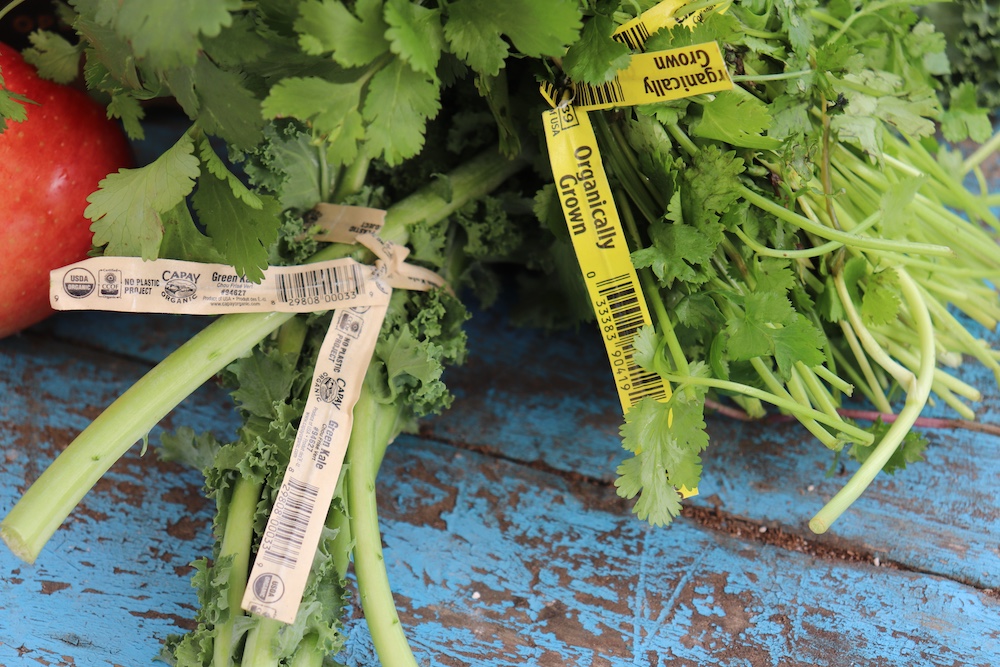
A few of the producer and distributor names listed on the packaging included:
Capay Organic — which I later learned is the farm owned and operated by the founders of Farm Fresh to You
Fruit World — a California-based producer-shipper of organic fruit (primarily apples and pears) supplying markets across North and South America
Viva Tierra — a U.S.-based organic food distributor working with growers from multiple regions
LIV PRODUCE — a produce sales company managing marketing and distribution for organic and conventional growers
There’s nothing inherently wrong with any of this. Scale is what allows services like Farm Fresh to You to operate efficiently and consistently. But scale also changes the relationship between food, place, and producer.
What CSA Is Really About
A local CSA operates differently.
When you sign up for a CSA, you’re not just subscribing to vegetables — you’re entering into a relationship with a place and the people stewarding it. Your food reflects what’s growing nearby, what’s in season, and what the farm can realistically produce week to week.
Want a weekly CSA box from our farm?
Fresh, seasonal produce grown in Cardiff and harvested for your week ahead.
Explore the CSA + reserve your share →
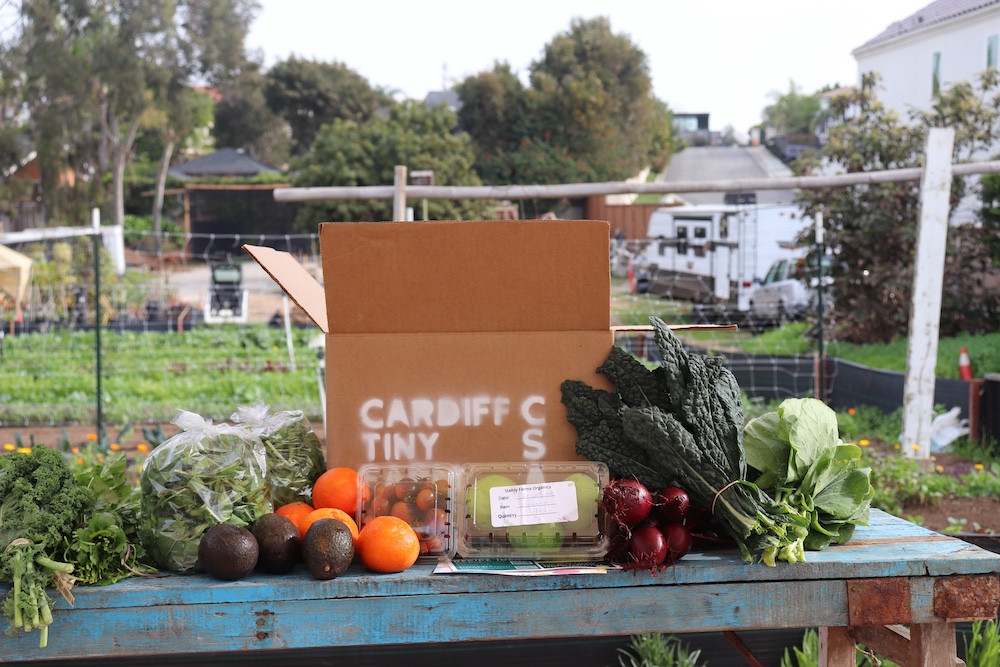
That lack of flexibility is often framed as a downside. In reality, it’s one of the very things that allows small farms to exist at all.
Why Both Can Coexist
I don’t see Farm Fresh to You as something small farms should compete against or criticize. In many ways, companies like this have helped make the idea of a produce subscription mainstream — paving the way for local CSA programs to be better understood and more widely supported.
If you don’t live near local organic farms offering CSA boxes, Farm Fresh to You may be the best option available to you.
If you do live near a local farm, I’d encourage you to try their CSA and make the comparison for yourself.
This comparison wasn’t about declaring a winner. It grew out of a genuine curiosity — learning from organizations that have been operating at scale for a long time and seeing what we might take away to improve how we do things here at the tiny farm.
Along the way, it naturally surfaced the tradeoffs between convenience, scale, and locality, and highlighted the different roles each model plays in today’s food system.
I plan to continue making videos like this, exploring how food moves from the ground to the table and the choices we make along the way.
Let us know in the comments what other produce subscription services you’d like us to explore next.
✌️