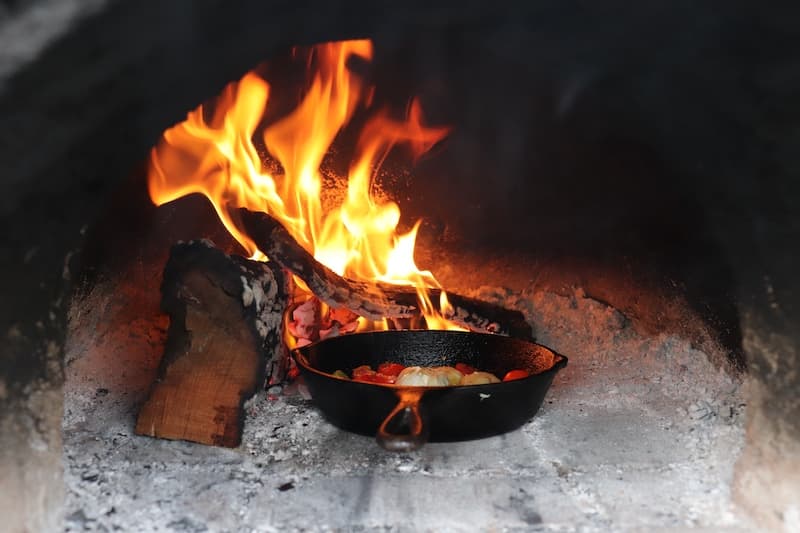
Maybe independence isn't the point
Millennials are a unique bunch.
We were the last generation to grow up before the internet became an ever-present force in our lives, but we were also the first to witness its power to spread ideas across the world almost instantly.
The early internet was filled with movements. Occupy Wall Street challenged our assumptions about finance and inequality. Kony 2012 exposed millions to conflicts they had never heard of. New causes seemed to emerge every month, each fueled by a generation eager to leave the world better than it found it.
Most of those movements eventually faded. Their websites went dark. Their hashtags stopped trending. Their ambitions were archived alongside old YouTube videos and forgotten blogs.
One movement, however, endured.
FIRE.
Financial Independence, Retire Early.
The idea was simple: spend less than you earn, invest the difference, and accumulate enough wealth that work becomes optional. In a world of economic uncertainty, FIRE offered something incredibly attractive: freedom.
And in many ways, it delivered.
But over time I've come to wonder whether FIRE is solving the wrong problem.
At its core, FIRE seeks autonomy. The goal is to become less dependent on employers, institutions, and financial obligations. The ideal outcome is self-sufficiency.
Yet when I look around at the healthiest communities I know, I see something very different.
I see people borrowing tools from neighbors. Sharing meals. Trading skills. Watching each other's children. Growing food together. Supporting local businesses. Showing up when someone is sick. Depending on one another in ways that no investment portfolio can replicate.
Which makes me wonder if the real goal isn't financial independence at all.
Maybe the goal is financial interdependence.
Maybe instead of FIRE, what we need is FIRRE: Financially Interdependent, Radical Reliance on Everyone.
The tiny farm only exists because of FIRRE.
When I first took on the role of stewarding this farm, I was completely overwhelmed. I knew I couldn’t do it alone. Fortunately, my friends and family (especially my dad) showed up in a big way. Together we reshaped beds, planted seeds, packed CSAs and kept the farm stand going.
And this reliance on others continues to this day.
The farm stand itself was built from relationships. The CSA exists because customers chose to trust a tiny operation with their food budget. When I need advice about growing, I call other farmers. When other farmers need help harvesting, I lend a hand.
To many people, this would look like dependence.
Yet I've come to see it as a different kind of wealth.
FIRE asks, "How can I accumulate enough assets that I don't need anyone?"
FIRRE asks, "How can I cultivate enough relationships that I never have to face life alone?"
Every living system depends on relationships. Forests, gardens, watersheds, families, communities. Why would human flourishing be any different?
So perhaps true resilience isn't found in becoming completely independent.
Perhaps it is found in becoming indispensable to one another.
FIRE taught us to become independent.
But in a world on fire, perhaps the more important skill is learning how to depend on one another again.
✌️